Invest in People, Not Barriers:
Ai generated image
Invest in People, Not Barriers: A Better Response to African Migration

Why job creation and opportunity should sit at the centre of UK and US migration strategy
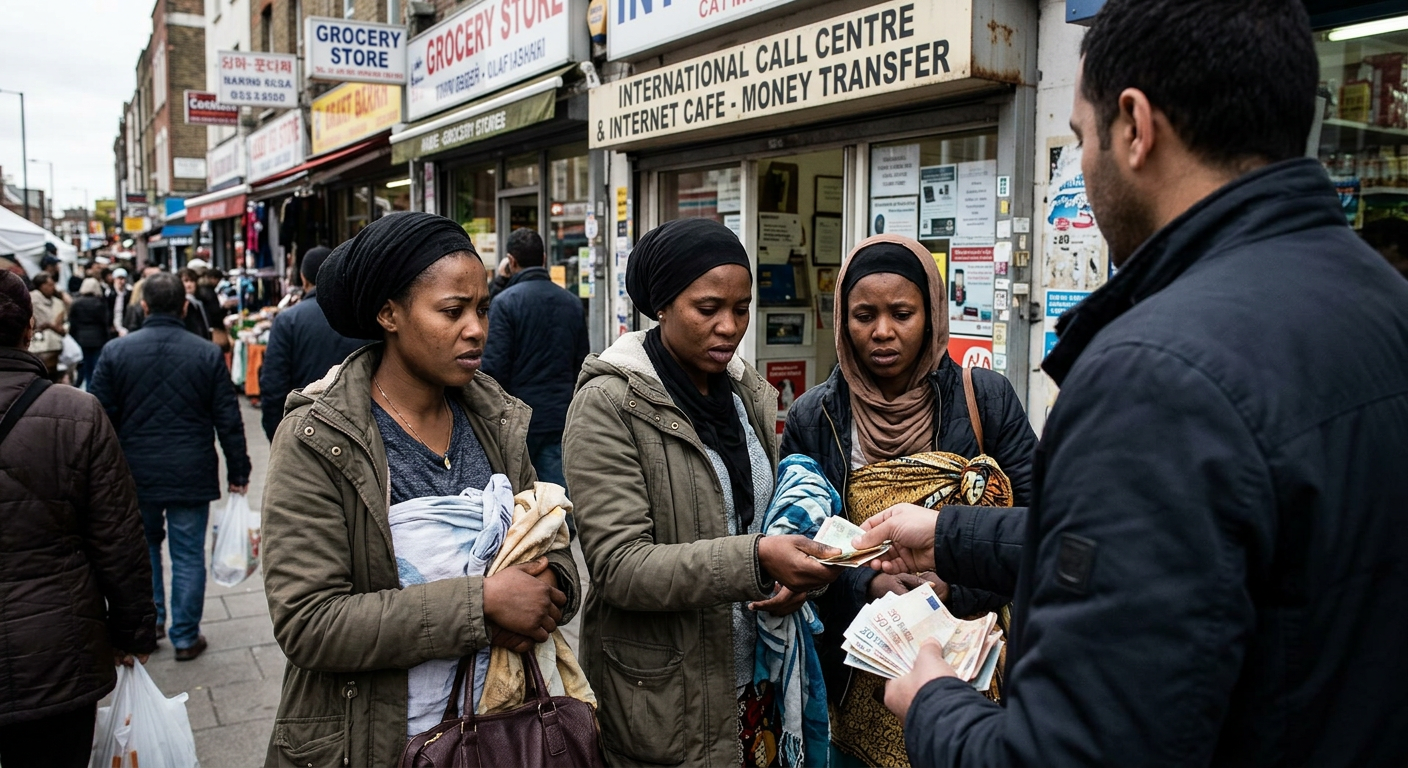
Public debate in the United Kingdom and the United States often treats migration from Africa mainly as a border-control problem. That approach begins too late. By the time people undertake dangerous journeys, many have already faced years of unemployment, insecurity, limited access to finance, or little confidence that their skills will lead to a stable future.
A more durable response is to invest directly in people and the businesses that employ them. This does not mean ignoring lawful border management or the right to seek asylum. It means recognising that restrictive policies alone cannot address the economic pressures that influence migration. If the UK and the US want fewer people to feel compelled to leave home, they should help expand the opportunities available to them at home.
Why Jobs Matter
Most people want the freedom to build a secure and dignified life near their families and communities. A reliable job, a viable business, and confidence in the future make that choice possible. Job creation therefore offers something border enforcement cannot: it addresses one of the pressures that can make migration feel like the only route to progress.
Africa is not a single economy, and migration has many causes, including conflict, persecution, family ties, education, climate pressures, and personal ambition. Job creation is not a complete solution. However, where a lack of opportunity is an important factor, investment in productive work can reduce desperation while strengthening local economies.
Invest Directly in People and Enterprise
Too much international support is channelled through large institutions without enough evidence that it reaches workers, entrepreneurs, and communities. UK and US initiatives should put more resources closer to the people creating employment. Priorities should include:
· Affordable finance for small and medium-sized African businesses with credible plans to hire locally.
· Vocational education and apprenticeships designed with employers, especially in construction, healthcare, technology, agriculture, energy, and manufacturing.
· Support for women and young entrepreneurs who face barriers to finance, land, networks, and markets.
· Reliable electricity, internet access, transport, and payment systems that allow firms to grow.
· Partnerships with diaspora investors who understand both local markets and international standards.
The aim should not be solely charity . It should be productive investment that expands local ownership, creates decent work, and builds commercially sustainable businesses.
Measure Outcomes, Not Announcements
Public money should be tied to transparent results. Programmes should report how many lasting jobs were created, what workers were paid, whether women and young people benefited, how many supported businesses survived, and how local communities helped shape the investment. Independent audits and public reporting can reduce corruption and prevent funds from rewarding politically connected intermediaries.
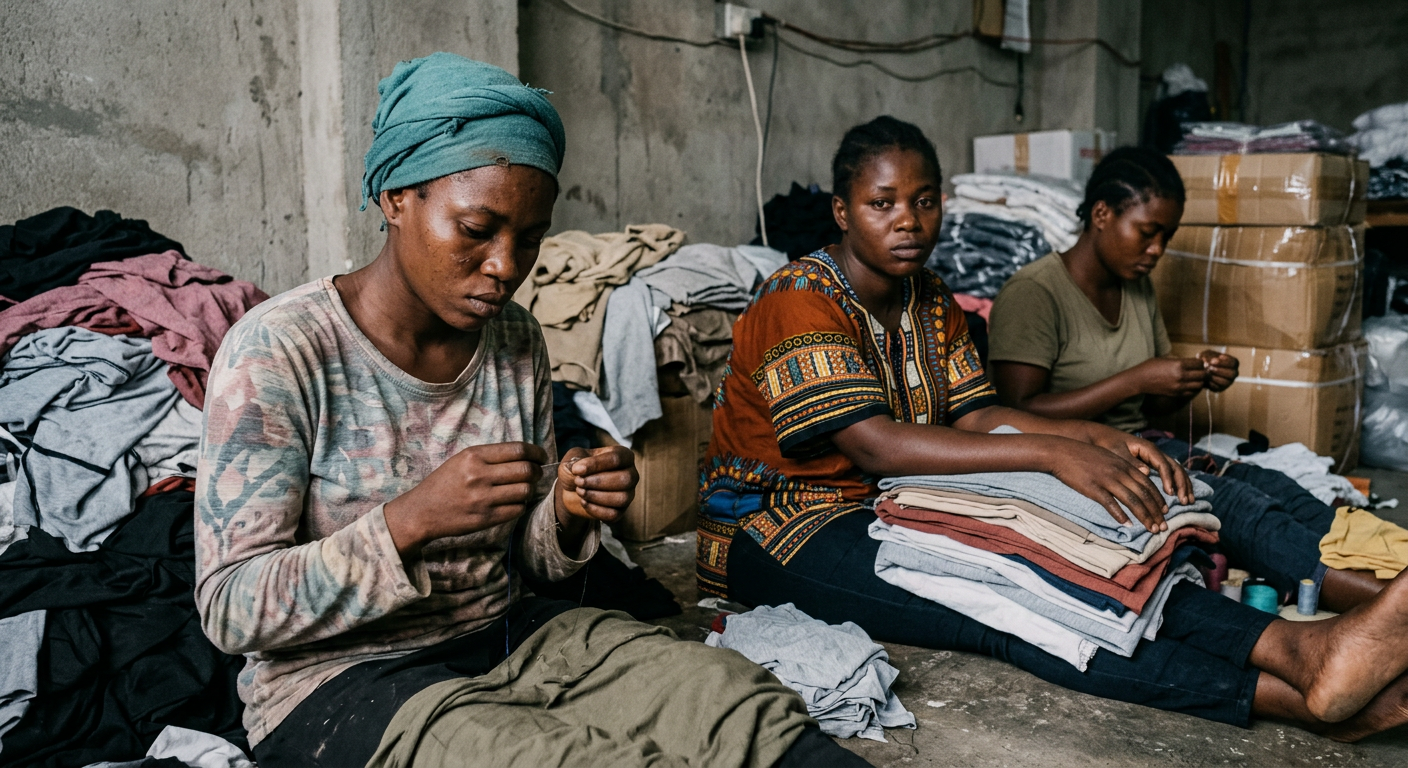
Investment must also respect labour rights and environmental standards. A low-paid or unsafe job is not meaningful opportunity, and projects that displace communities may create rather than relieve migration pressure.
Pair Opportunity with Safe, Lawful Migration
Investing in African economies should never become a bargain in which poorer countries are paid simply to block people from moving. Nor should development support be used to weaken refugee protections. The UK and the US will continue to benefit from students, skilled workers, entrepreneurs, family migration, and people seeking safety. Legal routes should remain credible, orderly, and humane.
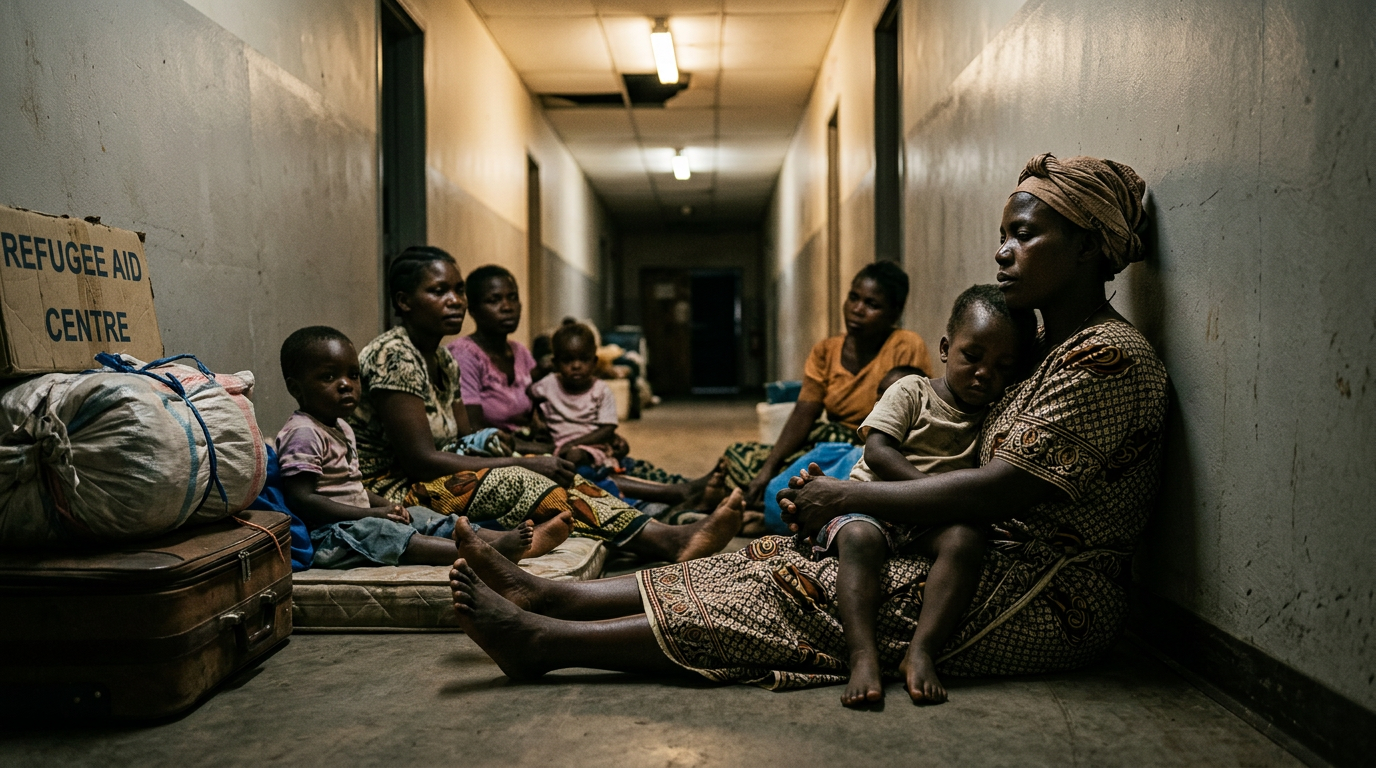
The goal is not to stop all migration from Africa. Migration is a normal part of human life and can benefit countries of origin and destination. The better goal is to reduce forced and desperate movement by expanding genuine choice.
A Better Political Offer
For British and American leaders, investing in jobs abroad may be less dramatic than announcing tougher restrictions. But durable policy should be judged by results, not headlines. Borders can regulate entry; they cannot manufacture hope in the places people leave.
The UK and the US should shift more attention from deterrence alone toward entrepreneurs, workers, schools, infrastructure, and accountable local institutions. When people can earn, build, and plan for the future, remaining at home becomes a genuine option rather than a sacrifice.
Investing in people is not a soft alternative to migration policy. It is the practical work of addressing economic pressures before they become human crises.