The Plight of Economic Immigrants.
Ai generated image
The Plight of Economic Immigrants
They move in search of wages, security and a future. Yet for many economic immigrants, work abroad brings not only opportunity but deskilling, exposure and a persistent uncertainty about where — or whether — they truly belong.
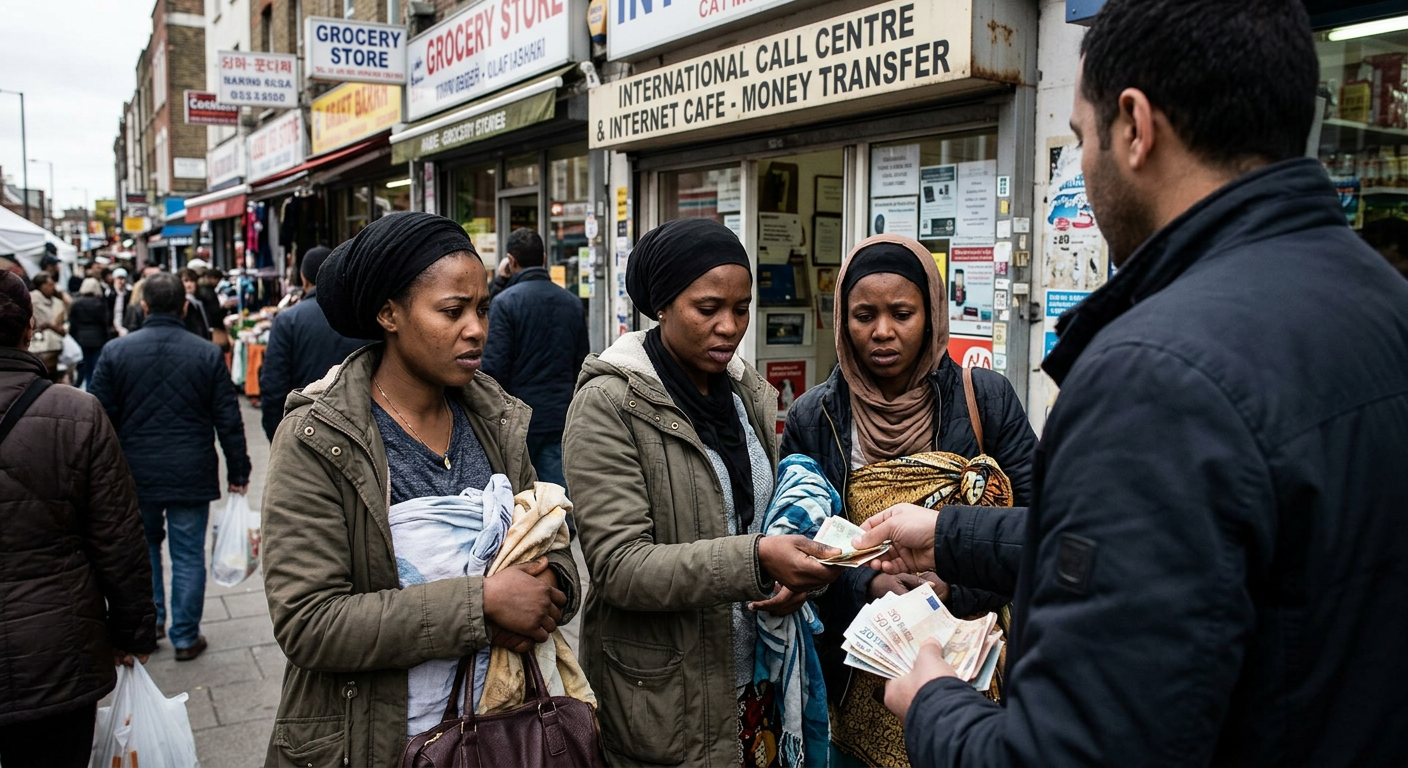
At dawn, the working day often begins long before the argument about immigration does. A care worker finishes a night shift and checks the exchange rate before sending money home. A delivery driver with qualifications earned abroad studies for local accreditation between jobs. A hotel cleaner calculates rent, transport and school fees in two currencies at once. Economic immigration is commonly discussed in the language of numbers — arrivals, visas, vacancies and wages — but experienced as sacrifice. Around the world, people move for work because the alternatives can be narrower than the journey itself: a farm hit by drought, a salary eroded by inflation, a factory gone quiet. The money they send home is one of the clearest measures of migration’s reach. The World Bank says officially recorded remittances to low- and middle-income countries are expected to reach about 685 billion US dollars in 2024, more than foreign direct investment and official development assistance combined.
In destination countries, economic immigrants are routinely essential and yet frequently treated as temporary. Across the OECD, the latest migration outlook points to record recent migration and continued growth in temporary labour migration, driven in part by labour shortages and demographic change. In the UK, migrants are especially visible in health and care, hospitality and administrative services, according to recent labour-market analysis. That reality feeds two rival political stories at once. One presents immigrant labour as vital to keeping understaffed sectors running; the other argues that fast-rising migration can intensify pressure on housing, schools and healthcare in some places. Both narratives shape the public argument. Neither fully captures the imbalance at its centre: the workers being argued over often have the least control over the conditions under which they arrive, work and stay.
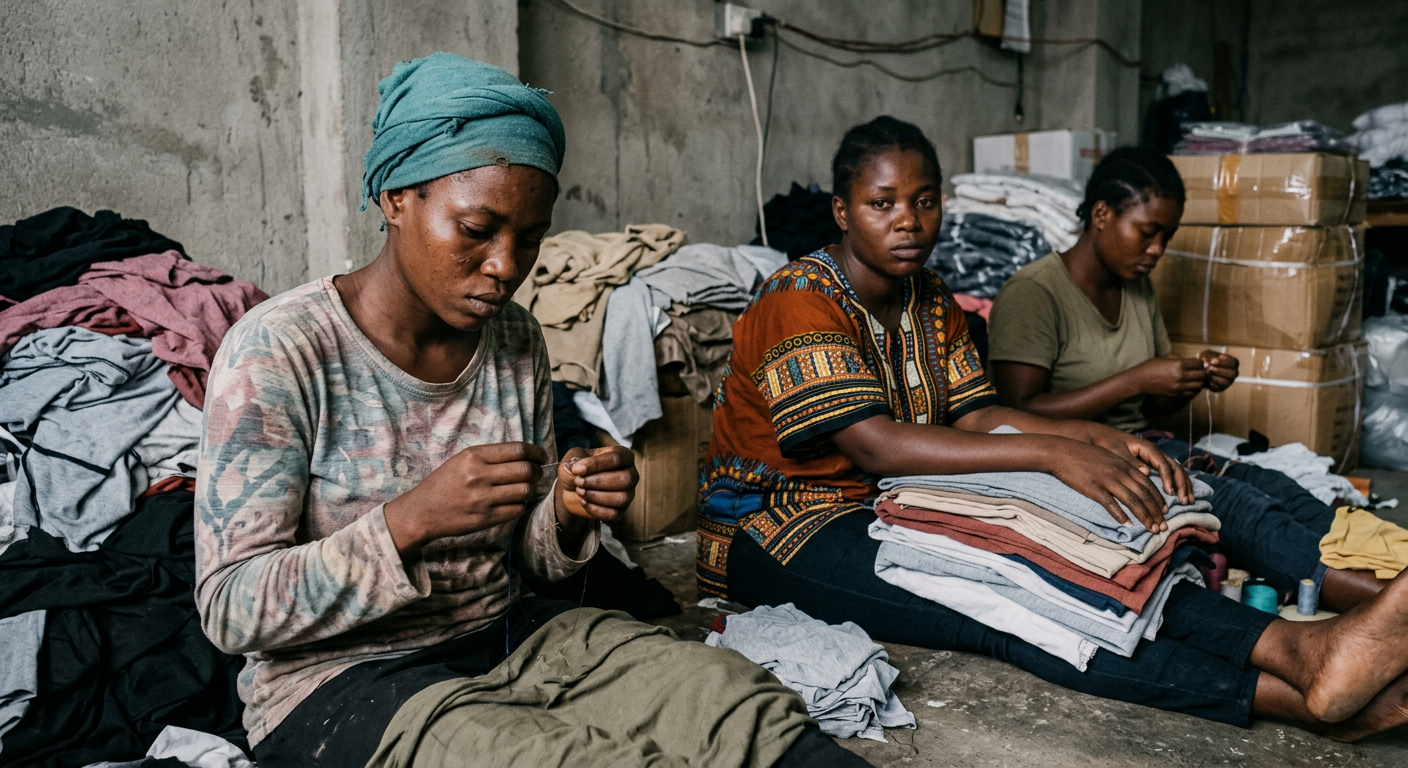
For many economic immigrants, the first disappointment comes not in finding work, but in discovering what kind of work is available. Degrees and professional experience earned abroad may not be recognised. Language barriers, unfamiliar recruitment systems and immigration rules can narrow options further. The result is a common but rarely acknowledged form of downward mobility: teachers cleaning offices, engineers driving delivery vans, nurses waiting months or years for accreditation. Even when employment is secured, it is often insecure, low-paid or physically demanding. Night shifts, zero-hours arrangements and agency contracts can offer a foothold in the labour market, but they can also trap workers in a cycle of instability.
That vulnerability can be sharpened by immigration status itself. Workers whose visas are tied to a single employer may be less likely to report abuse, unpaid wages or unsafe conditions for fear of losing not just a job but the right to remain. The International Labour Organization has warned that migrant workers are more than three times as likely to be in forced labour as non-migrant workers. In the UK, UN experts raised concerns in 2024 about deception, recruitment fees, debt bondage and the threat of deportation facing some migrant workers in sectors such as agriculture and care. At the same time, many continue to shoulder obligations that stretch far beyond the workplace. Rent in the host country, school fees in the country of origin, and the expectation of regular remittances can turn each pay packet into a moral contract. Economic immigrants are often described as people seeking a better life; just as often, they are financing two lives at once.
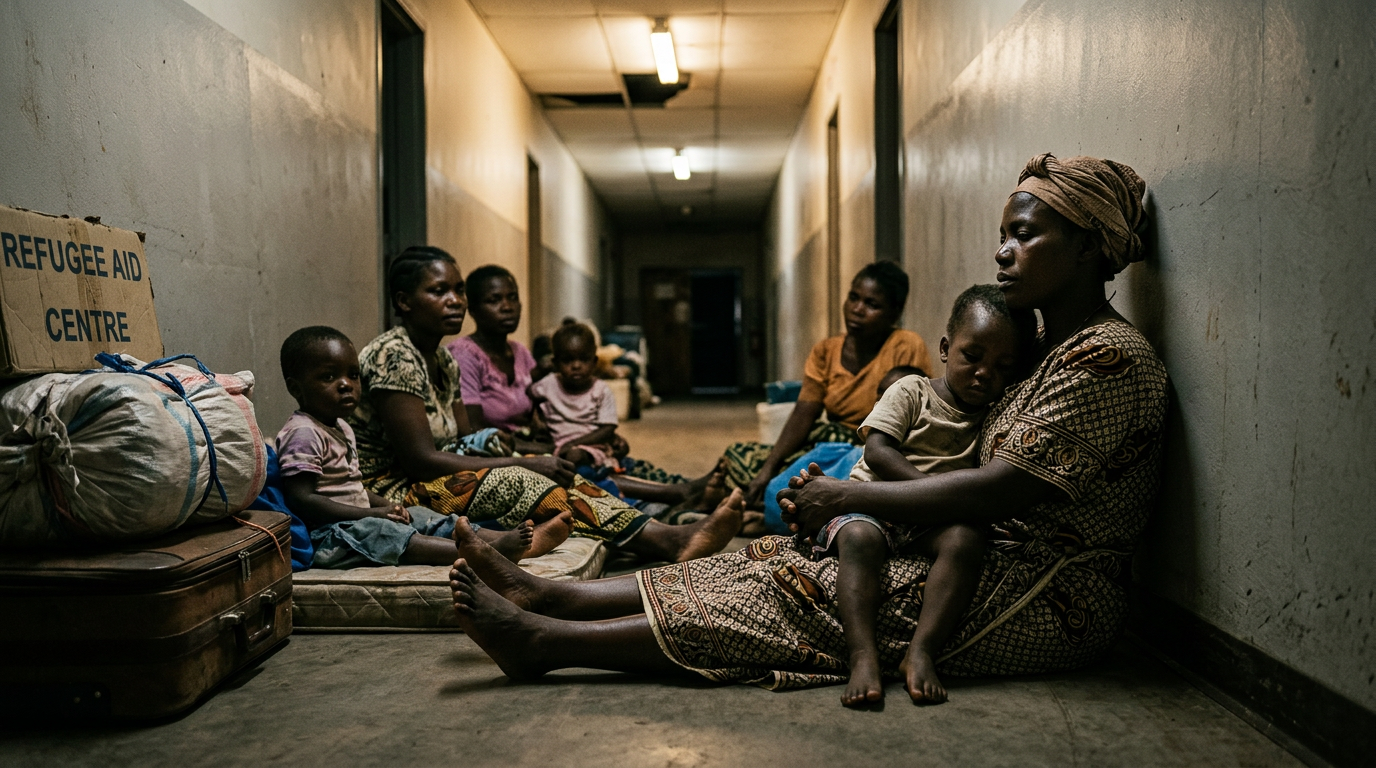
Public discussion tends to flatten these complexities. In election campaigns and tabloid headlines, economic immigrants can become symbols of either national renewal or national strain. They are praised as hardworking when economies need them and questioned when politics hardens. This tension leaves many in a state of partial belonging: welcomed for their labour, doubted for their presence. The deeper issue is not only how many people move, but under what conditions they move, work and settle. Migration policy is often framed as a matter of control, yet the harder challenge is governance that is fair, realistic and humane.
The plight of economic immigrants lies in a familiar contradiction: economies rely on them, politics distrusts them, and policy often leaves them exposed. Their journeys are shaped by ambition and necessity, but also by systems more willing to accept their labour than their full place in society. Any serious argument about migration should begin there — not with slogans, but with the terms on which people are recruited, paid, protected and permitted to build a life. Until it does, economic immigrants will remain essential to modern economies while never being entirely secure within them.