The Hidden Cost of Survival for Single African Migrant Mothers in the UK
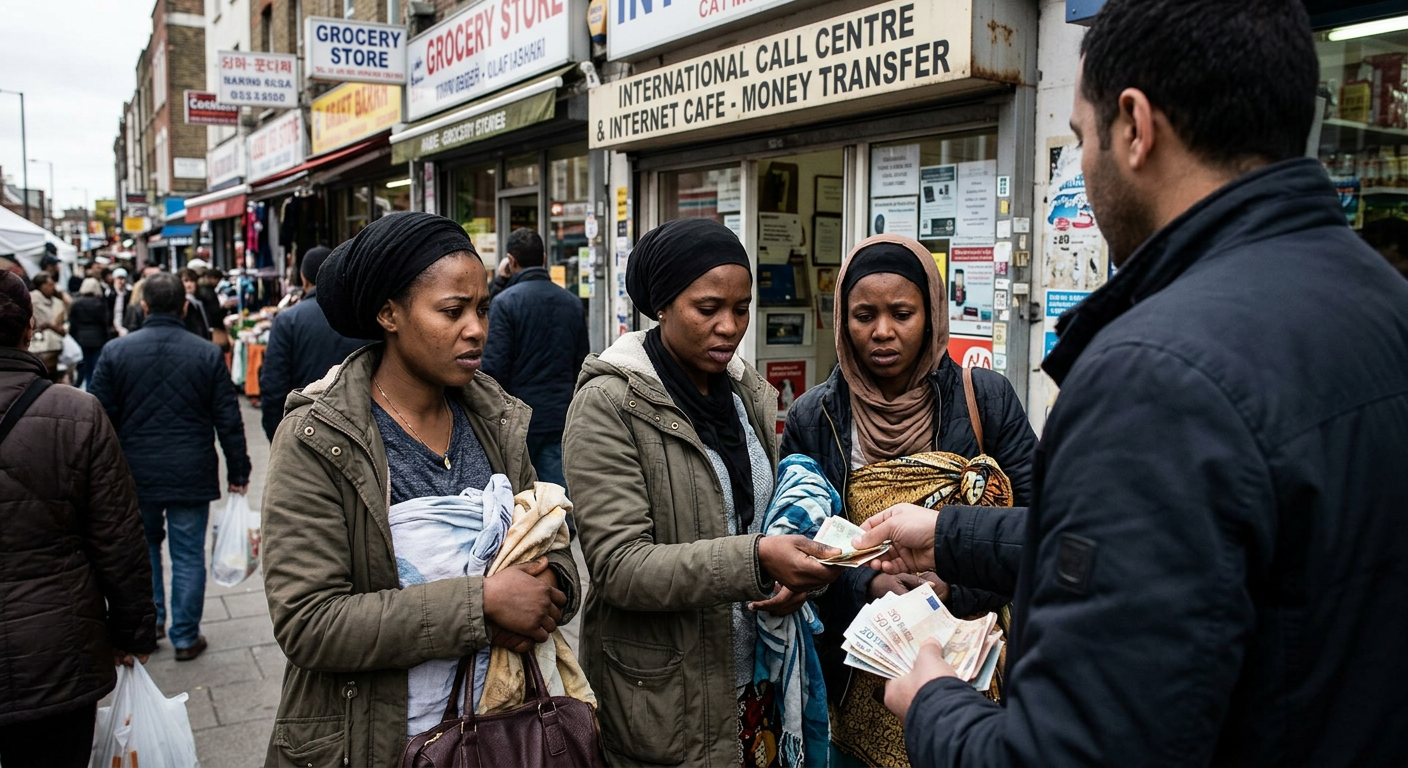
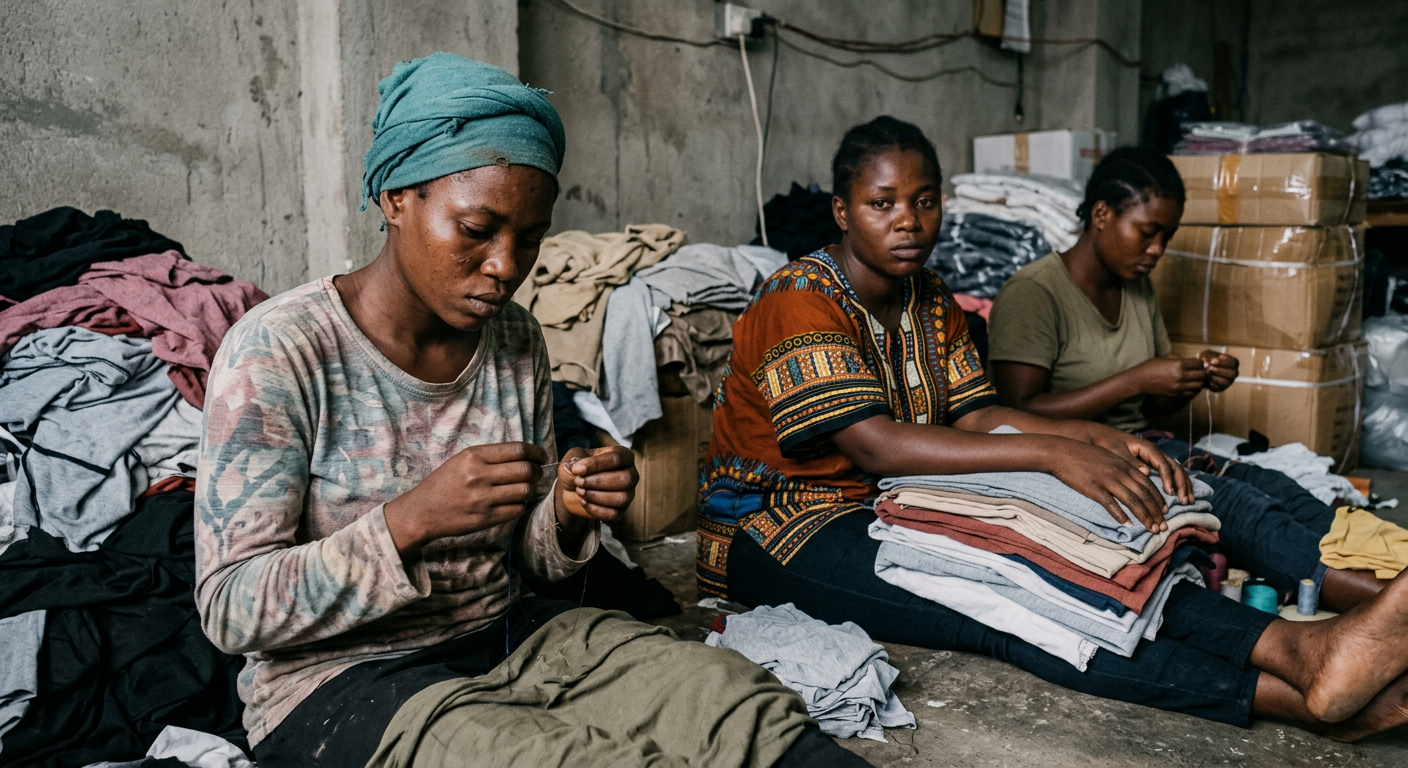
Ai generated image
Single African women and mothers who migrate to the UK for work make vital contributions, yet too many face insecure work, unaffordable childcare and immigration restrictions with too little support.
Single African migrant mothers in the UK contribute through work and care every day, but many do so without the support needed to keep their families secure. This article explores how insecure work, childcare barriers and no recourse to public funds create a hidden crisis for women who are already giving so much.
Ignored by the System
Imagine ending a long shift caring for someone else’s family, then hurrying home to children who need dinner, comfort and help with tomorrow’s school day—all while wondering whether your wages will cover rent, childcare and the week ahead. For many single African women and mothers who come to the UK through work, family or other non-asylum routes, this is not a rare moment of stress. It is everyday life. They keep households going through sacrifice, discipline and sheer endurance, yet their struggles often remain unseen. Unlike asylum seekers, who may receive limited state accommodation and subsistence while their claims are being processed, many economic migrants are expected to survive entirely through paid work, even when wages are low, rents are high and childcare is far beyond reach.
These women are not failing the system. The system is failing women who are already working, caring and holding families together
The Value They Create
This is far from a marginal story. Britain depends every day on migrant labour, and migrant women are an important part of that contribution. The Migration Observatory’s figure is stark: adult migrants made up 19% of UK employees in December 2024, and migrant workers were heavily represented in health and care, hospitality and administrative services. The same evidence also shows a familiar injustice: migrant women are less likely to be in employment than migrant men, many migrants are pushed into insecure or non-permanent work, and highly educated workers are often trapped below their skill level. Britain benefits from their effort while too often overlooking their potential and the support they need to thrive.
Single Motherhood
For single mothers, every pressure lands twice. A late shift is not just inconvenient; it can trigger a childcare crisis. A rent increase is not just unwelcome; it can destabilise an entire household. Research from Gingerbread has repeatedly shown that childcare costs are among the biggest barriers preventing single parents from finding work, staying in work and progressing once they are there. Add immigration restrictions, limited family support nearby and inflexible low-paid jobs, and what looks like resilience from the outside is often exhaustion, managed in private and too often mistaken for coping.
No Safety Net
One of the cruellest features of this reality is no recourse to public funds. The rule sounds technical; its consequences are not. It blocks access to most mainstream benefits and housing assistance for many migrants on temporary visas. The House of Commons Library reported in 2025 that around 3.6 million people held visas that would usually carry this restriction at the end of 2024. That means women can work legally, pay tax, raise children and contribute to their communities, yet still be excluded from the protections that help families survive when income falls short. Help may exist in theory through a change of conditions application, but for many families the threshold is effectively this: prove you are already in serious hardship, then ask the system to notice.
When Childcare Becomes a Barrier
Childcare is where economic pressure and immigration policy collide most brutally. Research from IPPR and Praxis published in 2025 estimated that around 148,000 families with young children were affected by no recourse to public funds restrictions, including about 71,000 working families who could otherwise have qualified for 30 hours of funded childcare. Their survey evidence found parents being held back from work, pushed into poverty and forced to watch their children miss out on opportunities other children are routinely given. For a single mother, this is not a bureaucratic inconvenience. It is the difference between taking a job and turning it down, between paying the rent and falling behind, between coping and crisis.
Why They Remain Invisible
Too often, public conversations about migration overlook the women whose hardship is quiet but relentless. Single African economic migrants and mothers are already contributing to the UK in countless ways, yet many are left to face insecurity with little recognition and limited support. They are workers, carers, parents and community members. They should not have to prove crisis before they are seen. If we want a fairer society, then immigration and family policy must better reflect the realities of women who are already doing so much to keep their families and communities afloat.
What Needs to Change
Change is possible. Policymakers should review the impact of no recourse to public funds on single-parent families, widen access to affordable childcare, and ensure that immigration policy does not push working mothers into avoidable hardship. Employers, charities and local services also have a role to play by listening to the realities these women face and responding with practical support, fairer working conditions and clearer routes to help. A more humane system would recognise that stability for mothers is also stability for children and communities. Readers can help by sharing these stories, supporting organisations working alongside migrant families and urging decision-makers to act.
Share this article, keep the conversation going, and learn more about the changes needed to support migrant mothers and their families.
Sources
- The Migration Observatory on migrants in the UK labour market
- The House of Commons Library briefing on no recourse to public funds
- IPPR and Praxis research on childcare exclusion for families affected by no recourse to public funds
Gingerbread’s research on single parents, employment and childcare