Sold on Hope: The Hidden Cost of Misleading Migration Promises
Ai generated image
How deception, debt, and desperation turn migration dreams into hardship
Migration is often described in numbers, policies, and border debates. But for many people, it begins with something far more personal: hope. Hope for safety, hope for dignity, hope for work, and hope for a future that feels just beyond reach. That hope, however, is too often exploited by smugglers, traffickers, and fraudulent recruiters who market migration not as a difficult and uncertain journey, but as a guaranteed escape. Their promises can sound irresistible to people already under pressure, and the cost of believing them can be devastating.
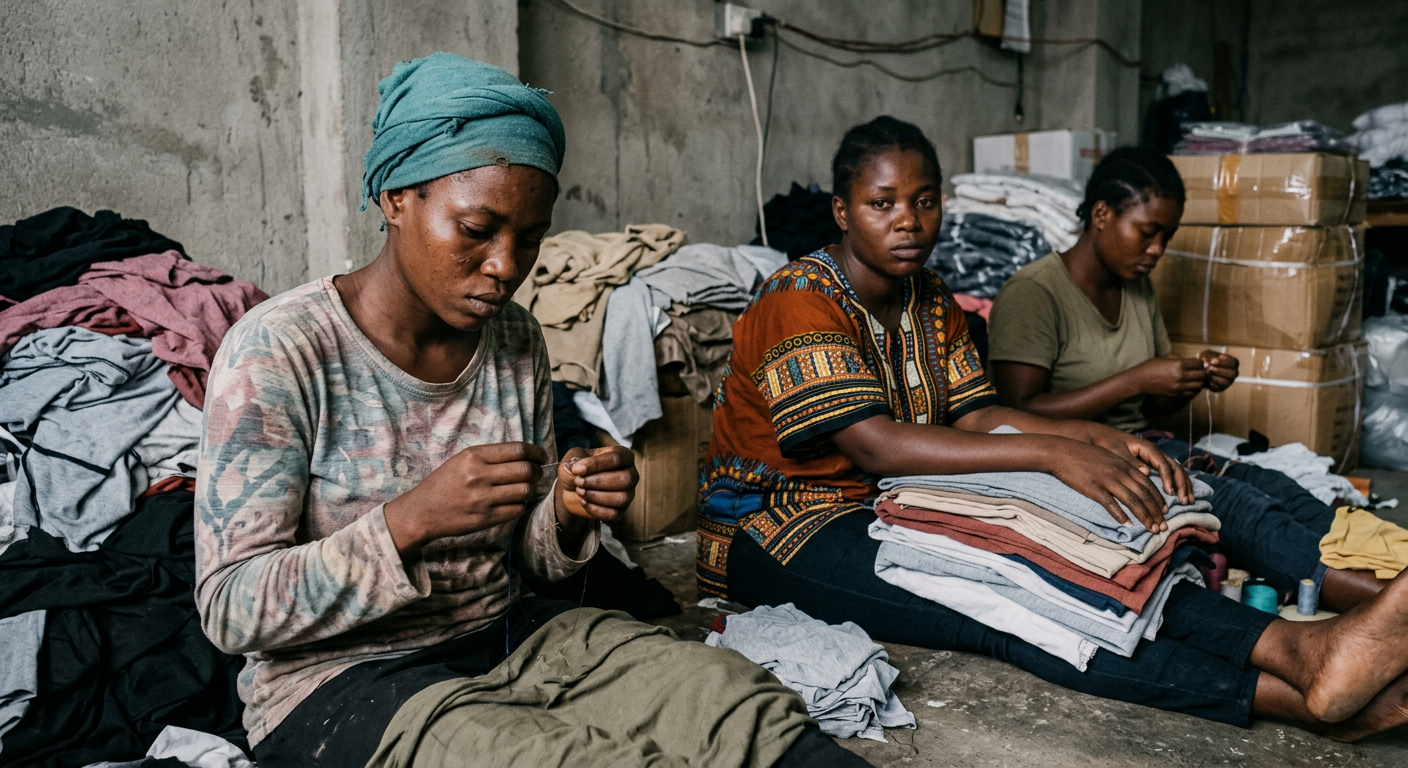
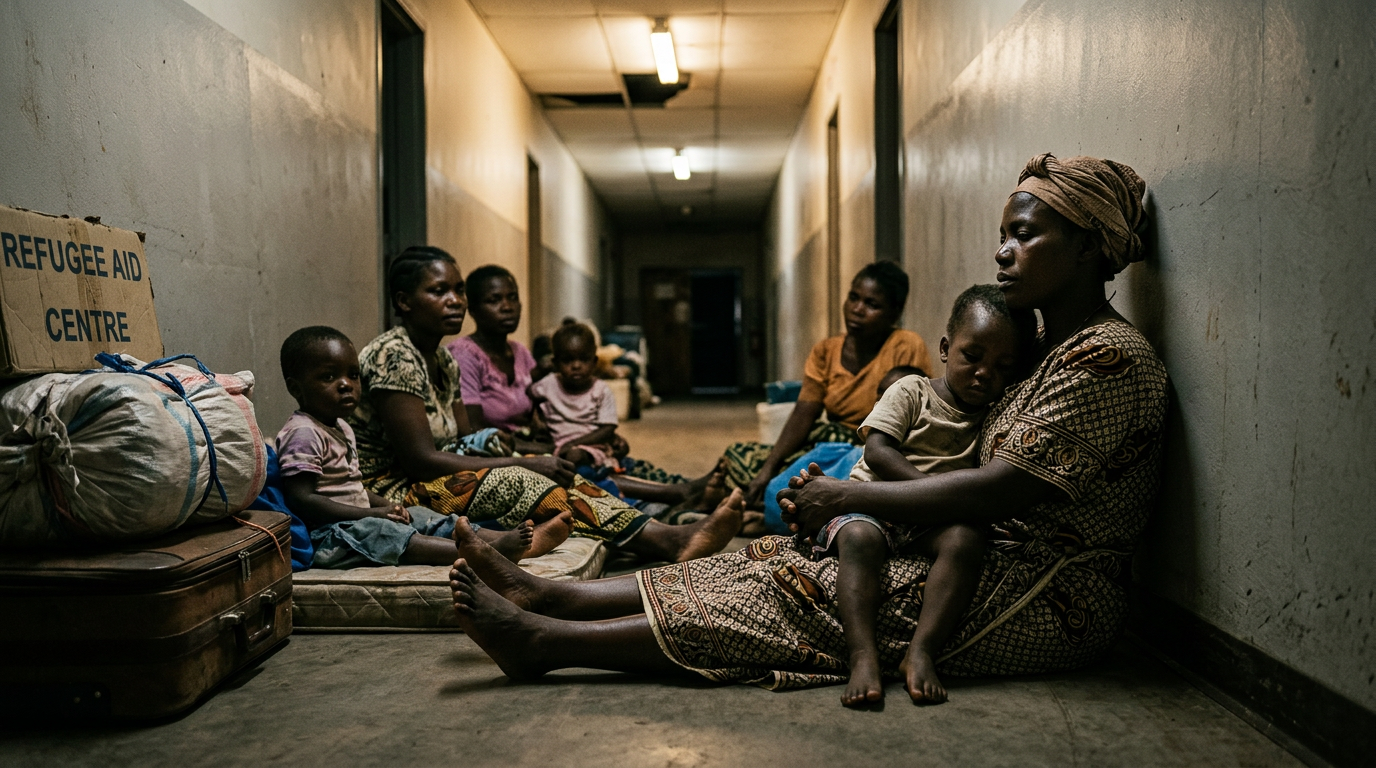
The pattern is painfully familiar. Families sell land, give up homes, borrow heavily, or empty savings accounts because they have been told that sacrifice now will bring security later. Instead, many arrive in foreign countries to find precarious work, unsafe housing, legal uncertainty, or no opportunity at all. Some are stranded, unable to move forward and unable to return because everything they owned has already been spent. Others are pulled into exploitative labour, debt, and isolation. In these cases, migration is not simply a journey gone wrong; it is a crisis manufactured by deception and sustained by vulnerability.
If governments and institutions are serious about confronting this problem, they must begin by telling the truth. People need clear and accurate information about the risks of irregular migration, the realities of overseas employment offers, and the tactics used by traffickers and dishonest recruiters. But information alone is not enough. As long as safe and legal pathways remain limited, desperation will continue to drive people toward dangerous alternatives. A credible response must therefore do two things at once: crack down on exploitation and expand realistic options for movement, work, and protection. The real scandal is not that people seek a better life. It is that so many are pushed toward ruin by lies disguised as opportunity.