Modern Slavery in the UK: Hidden in Plain Sight, Preventable in Practice
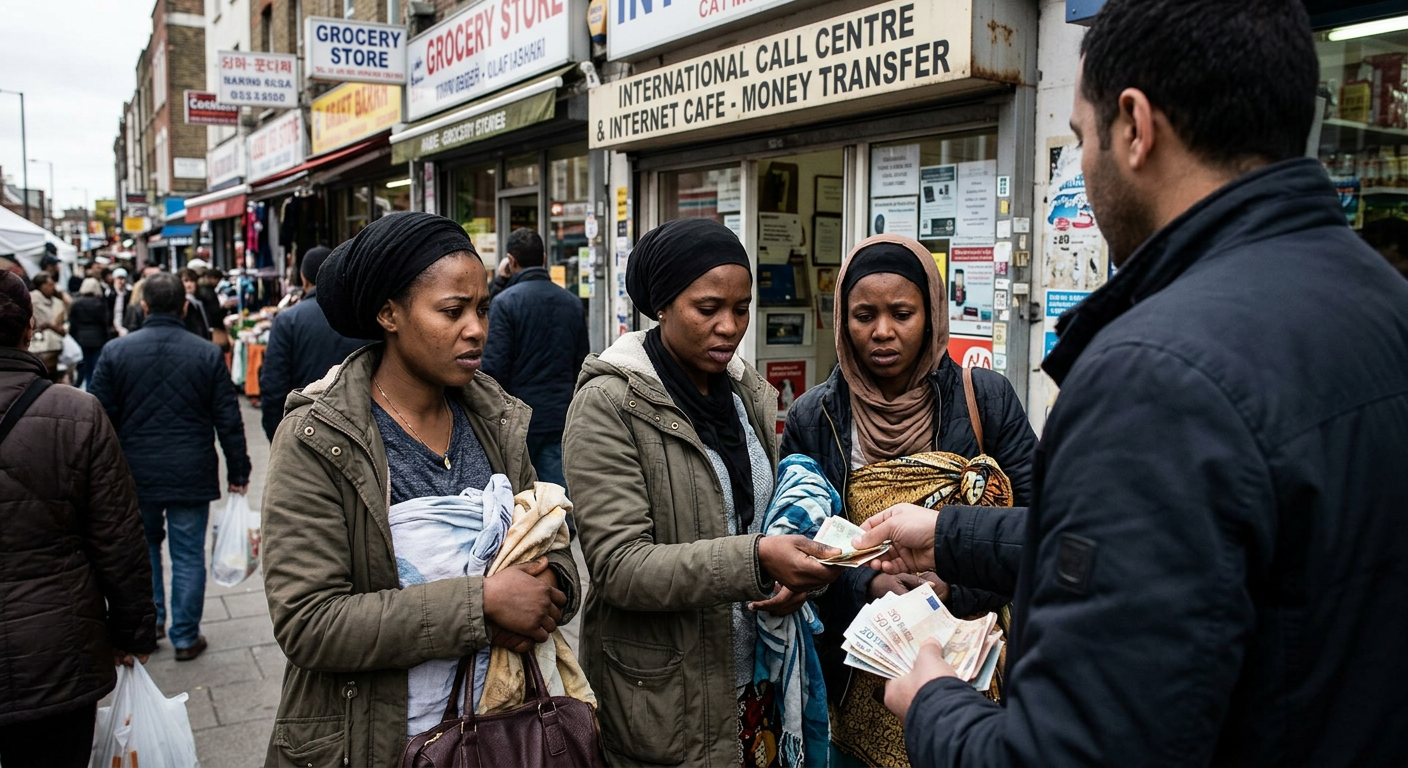
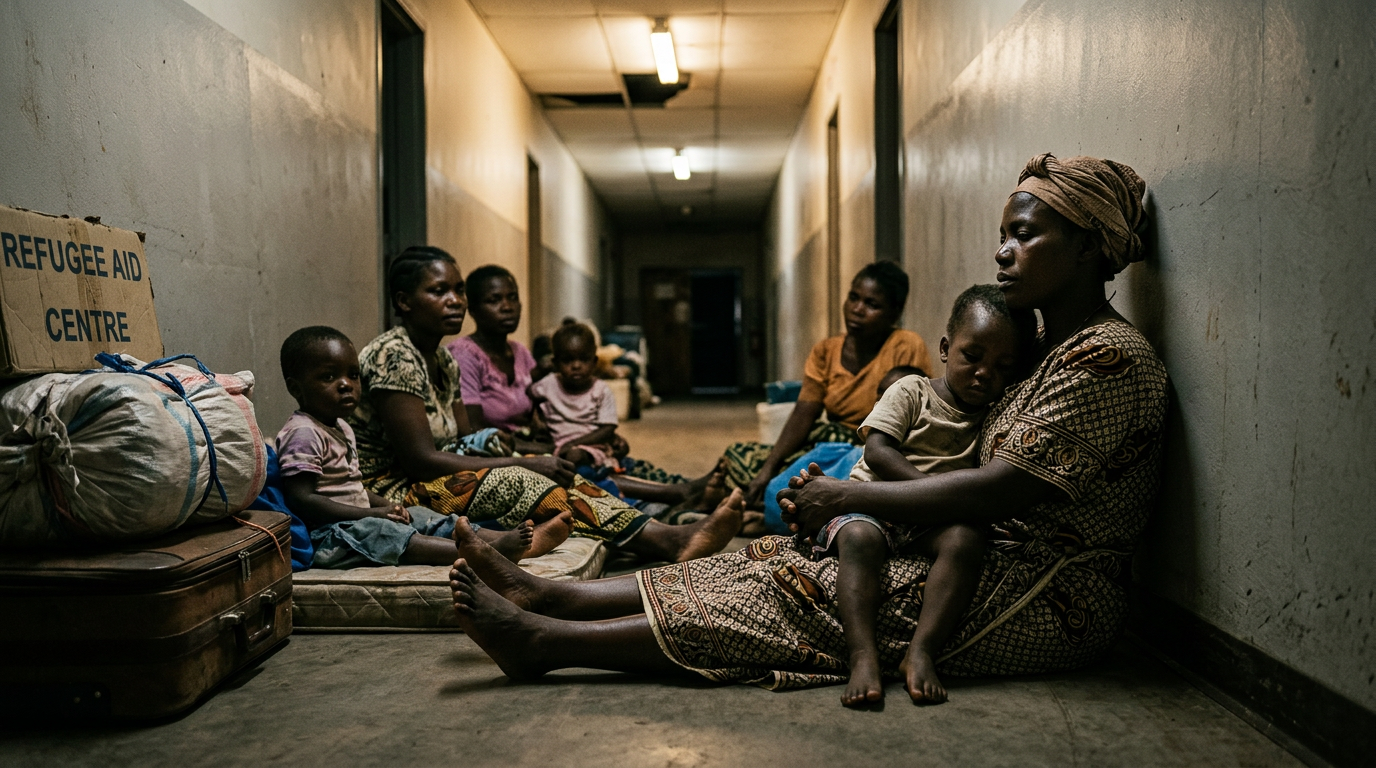
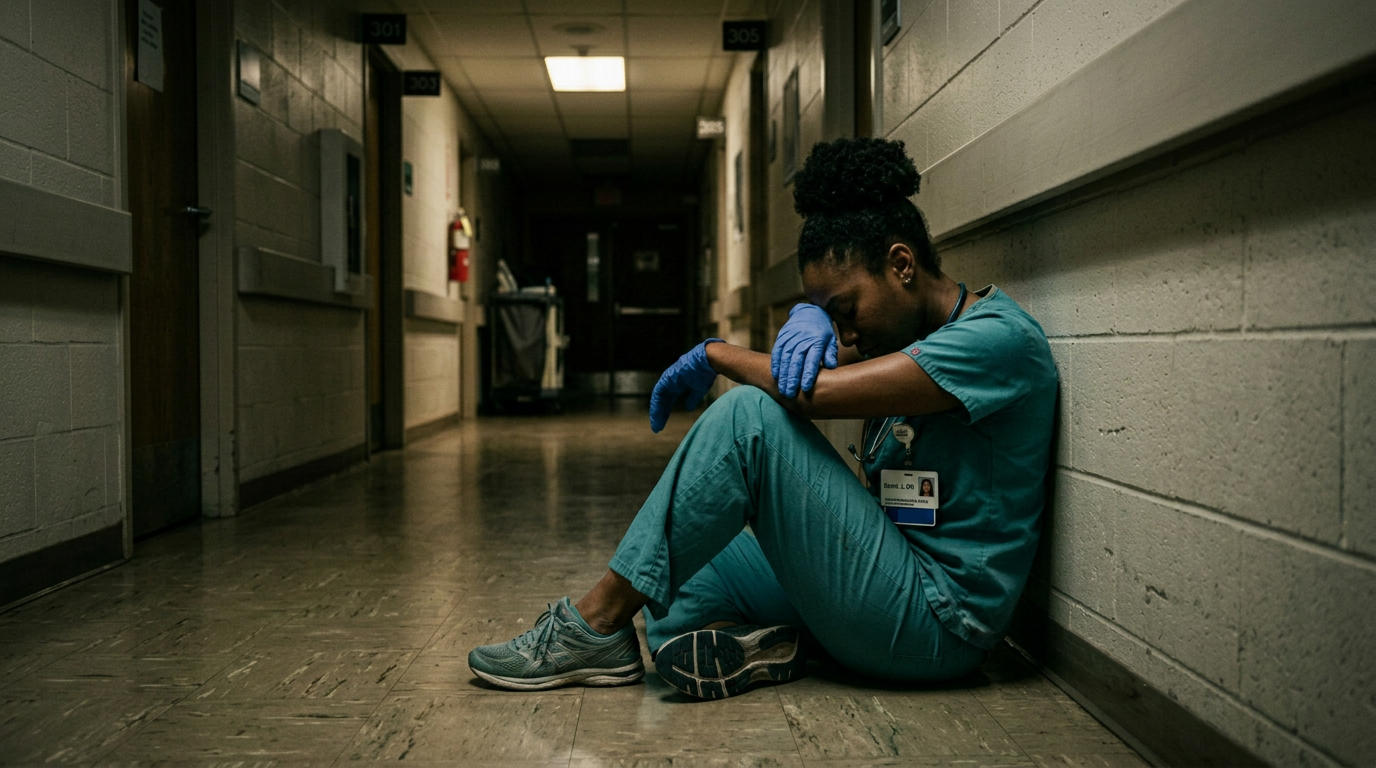
Ai generated image
An accessible overview of how modern slavery persists in the UK, why accountability matters, and what stronger prevention and protection should look like.
Modern slavery is often spoken about as if it belongs to history. In reality, it remains a present-day abuse affecting people in the UK and across the world. It can be found in places that seem ordinary, from farms and warehouses to construction sites, care settings, private homes, and the supply chains behind everyday goods and services.
According to global estimates from the International Labour Organization, Walk Free, and the International Organization for Migration, nearly 50 million people were living in modern slavery in 2021, including 27.6 million in forced labour. In the UK, official figures also show that thousands of potential victims continue to be identified through the National Referral Mechanism each year. These figures are a reminder that modern slavery is not a hidden issue on the margins of society. It is a continuing test of whether laws, institutions, and businesses are doing enough to protect people from exploitation.
What do we mean by modern slavery?
Modern slavery is an umbrella term used for situations in which a person cannot leave because of threats, violence, deception, debt, or abuse of power. It takes many forms, but all of them involve the denial of freedom for someone else’s gain. It can include:
- · Forced labour
- · Human trafficking
- · Debt bondage
- · Forced marriage
- · Domestic servitude
- · Some of the worst forms of child labour
One reason modern slavery persists is that it is often hidden in plain sight. A person may appear to be doing ordinary work, while in reality having wages withheld, documents confiscated, movements controlled, or living conditions manipulated.
People who are already facing poverty, discrimination, conflict, unsafe migration routes, or insecure immigration status are often at greater risk because exploiters target vulnerability. This is why modern slavery is not only a criminal justice issue; it is also a question of inequality, labour rights, and human dignity.
Why does it continue — including here in the UK?
Modern slavery does not continue by accident. It is sustained by systems that allow exploitation to thrive: poverty wages, discrimination, weak labour protections, unsafe migration routes, harmful recruitment practices, and relentless pressure for cheap goods and services. In the UK, these risks are intensified when workers are isolated, dependent on tied or insecure employment, frightened of authorities, or trapped by debt and misinformation. Exploitation can flourish wherever accountability is weak and where people at risk are treated as disposable. That is why modern slavery must be understood not only as a crime, but also as a failure of labour rights, immigration policy, social protection, and corporate responsibility.
The consequences are devastating. Survivors may live with trauma, physical injury, financial insecurity, homelessness, and deep mistrust of the systems that were supposed to keep them safe. When support is delayed or inconsistent, the risk of further exploitation can rise. Communities are harmed, responsible employers are undercut, and public confidence in institutions is weakened. Ending modern slavery is therefore not only about identifying abuse after it happens; it is about building systems that prevent exploitation, protect people early, and support survivors to rebuild their lives with dignity.
The UK framework: progress, pressure points, and why policy still matters
The UK has important tools to respond to modern slavery, including the Modern Slavery Act 2015 and the National Referral Mechanism. But legal frameworks only matter if they work in practice. Recent government guidance has increased expectations on what businesses should disclose about risks in their operations and supply chains, with a stronger emphasis on meaningful action rather than box-ticking statements. At the same time, frontline organisations continue to warn that prevention, survivor support, and long-term protection must remain central. A credible response requires more than enforcement alone: it needs safe reporting pathways, survivor-centred support, stronger labour inspection, and genuine transparency from organisations that benefit from complex supply chains..
What needs to happen now
Ending modern slavery requires more than outrage. Government must enforce labour law, strengthen protection for people at risk, and make sure survivors can access safe housing, legal advice, healthcare, and long-term support. Businesses must move beyond minimum compliance and show how they are identifying risk, improving recruitment practices, engaging workers, and addressing harm in their supply chains. Charities, trade unions, community groups, and public services all have a role in spotting warning signs early and helping people reach safety. And the public must be part of this too — by refusing to accept exploitation as the hidden cost of cheap labour and by demanding better standards from the systems and organisations around us.
Modern slavery may be hidden, but it is not inevitable. It continues where vulnerability is exploited, warning signs are missed, and institutions respond too late. Addressing it requires sustained attention, stronger prevention, better protection for people at risk, and long-term support for survivors. Awareness matters, but it must be matched by accountability and practical action if safer lives are to become a reality.