Modern Slavery in the Gulf
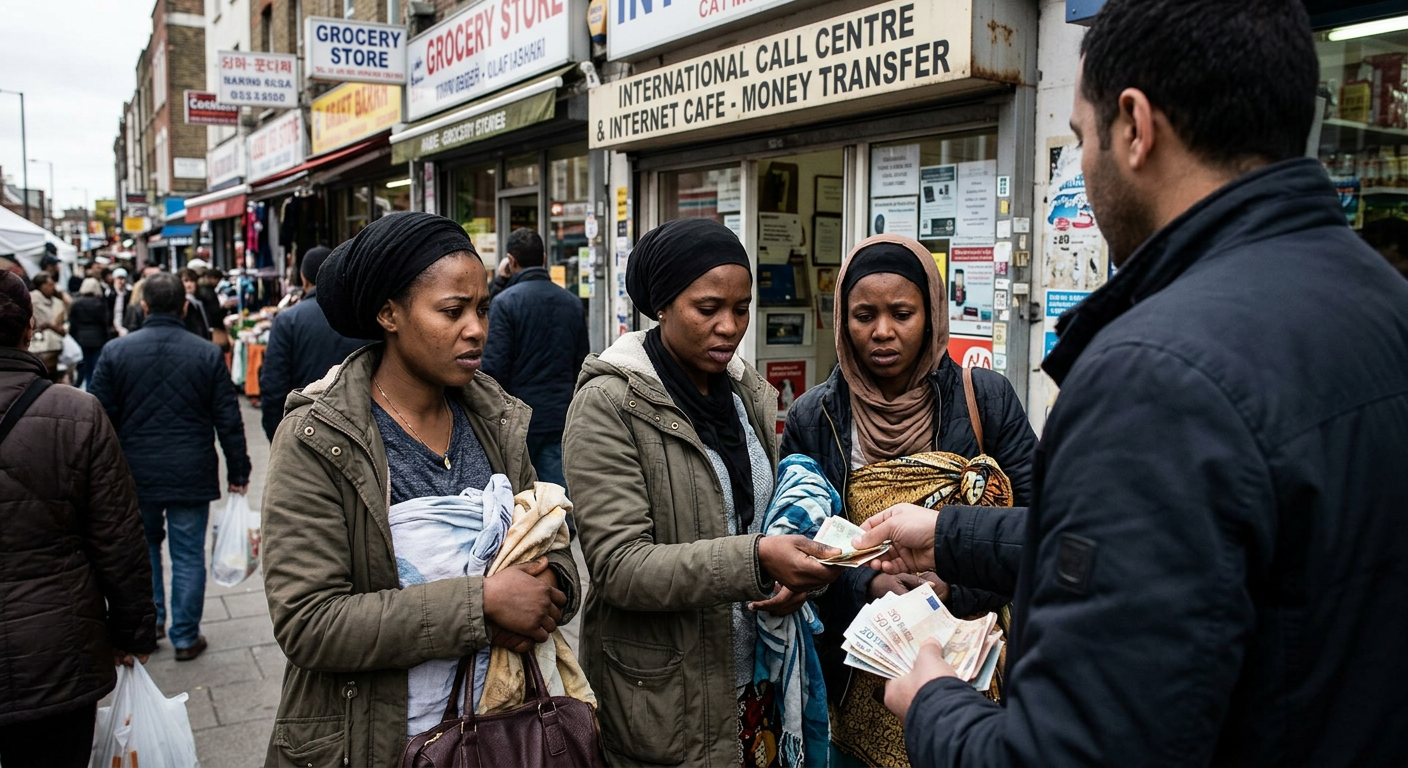
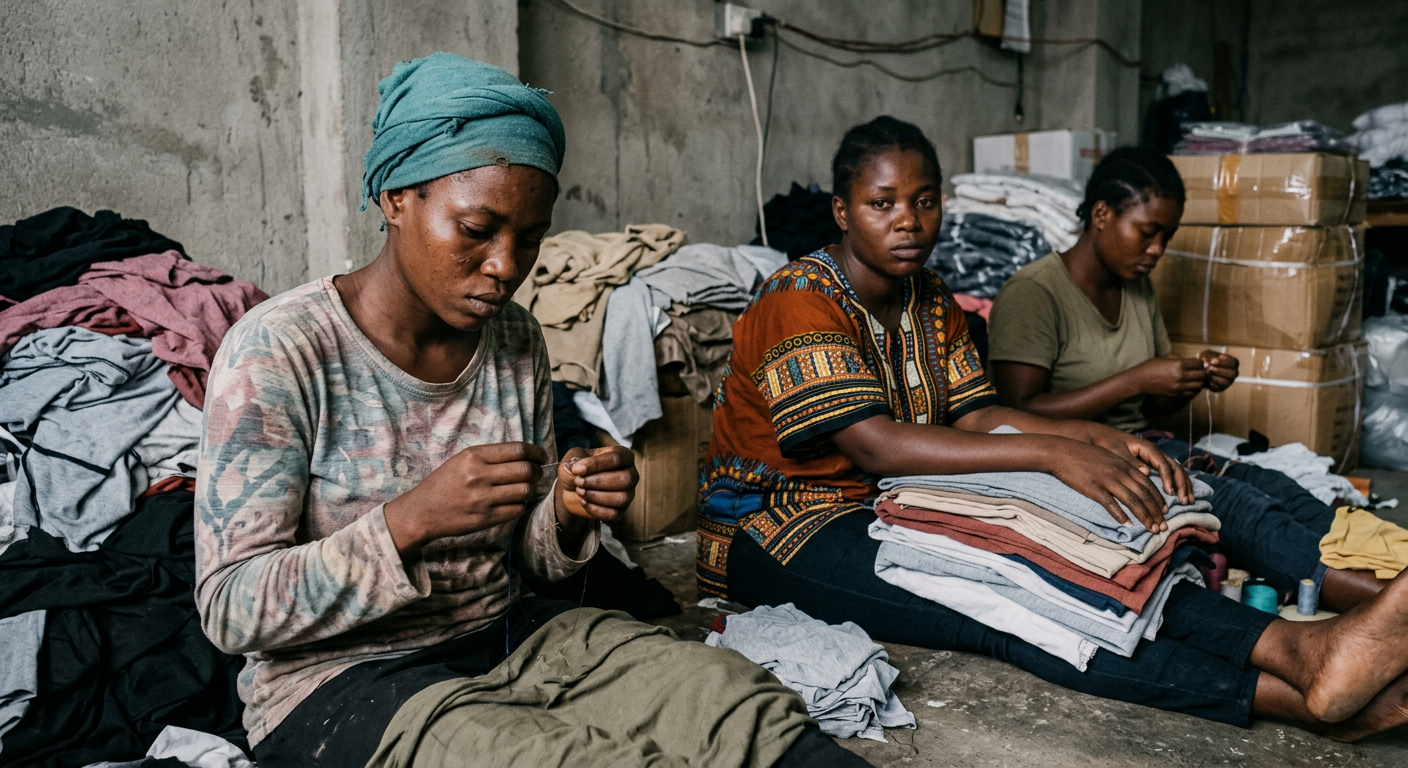
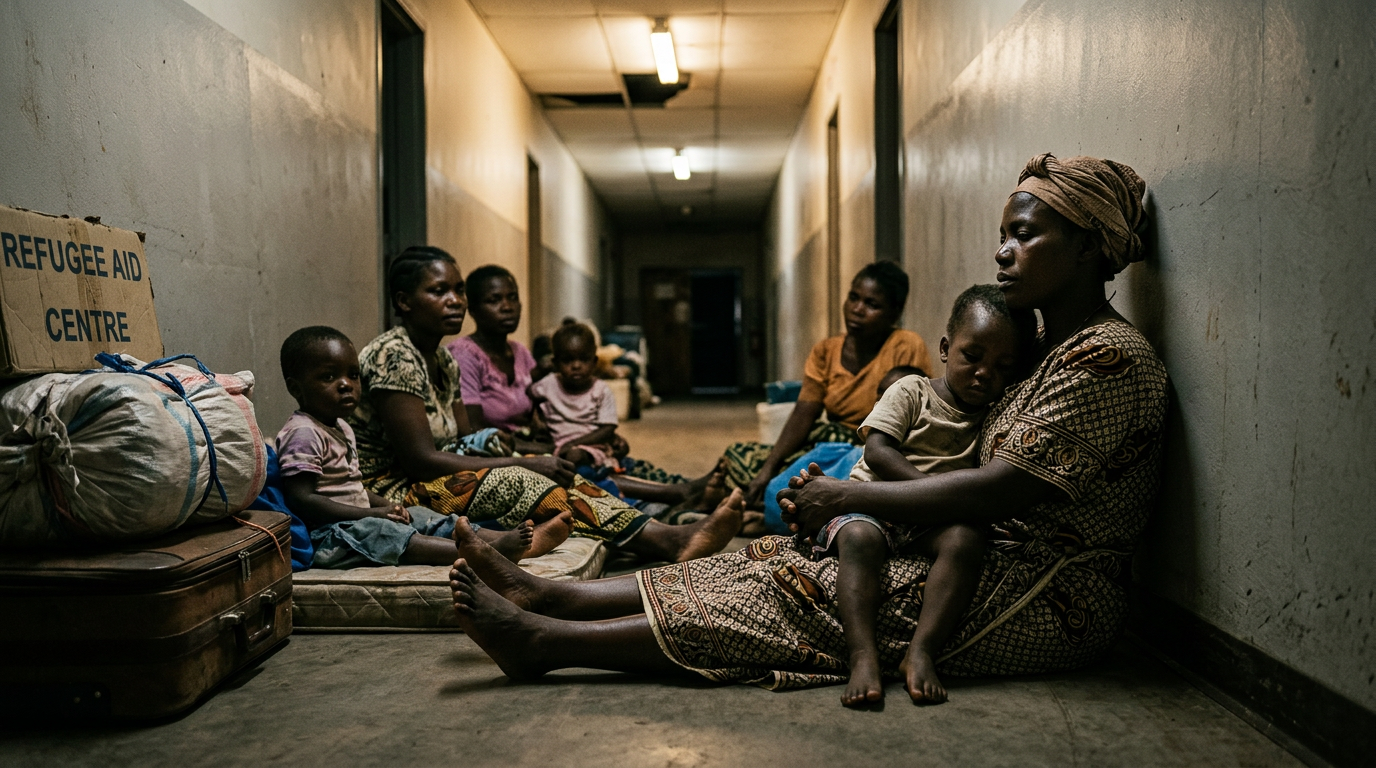
Ai generated image
Not a Relic of the Past: How African Migrants Are Trapped in Exploitation Across the Gulf
For many African migrants, the Gulf’s labour system still means passport confiscation, wage theft, racialised abuse, and confinement—despite years of promised reform.
What does reform mean if the workers most at risk are still trapped?
Across the Gulf, governments have announced changes to labour systems long criticised for enabling abuse. Yet for many African migrants, especially domestic workers, daily life is still defined by dependency, coercion, and fear. The distance between policy and practice remains wide enough to leave workers in conditions that rights organisations identify as forced labour.
Gulf states often present themselves as modernising powers. For many low-wage migrants from Africa, that image collapses on contact with reality: debt-fuelled recruitment, passport confiscation, unpaid wages, racial discrimination, confinement, and work conditions that can amount to forced labour. Precision matters here. Slavery is not openly lawful in these states in the formal sense. But employer control, weak enforcement, and the exclusion of domestic workers from full labour protections can produce conditions that many human rights organisations describe as modern-day slavery in practice. In Saudi Arabia, Amnesty International reported in 2025 that Kenyan domestic workers faced exploitation, racism, confiscated passports, withheld wages, and confinement in private homes. Human Rights Watch has likewise documented wage abuse and persistent employer control in Qatar despite headline reforms.
At the centre of this crisis is the sponsorship model known as kafala, used across the Gulf in different forms. By tying a worker’s legal status to an employer, it creates an extreme power imbalance. Even where reforms have been announced, enforcement is uneven, and entire categories of workers, especially domestic workers, remain exposed. The signs of abuse are familiar: document retention, wage withholding, deceptive contracts, recruitment debt, isolation, excessive hours, and restricted movement. These are not minor workplace disputes. They are recognised indicators of forced labour. In practice, they can leave workers unable to resign, escape abuse, or recover stolen wages without risking detention or deportation.
African migrants face a distinct risk within that system. Many arrive already burdened by recruitment fees, false promises, and family expectations tied to remittances. Once in the Gulf, they can face a second layer of harm: anti-Black racism, language barriers, social isolation, and limited access to legal help. Amnesty International’s 2025 reporting on Kenyan domestic workers in Saudi Arabia described gruelling hours, no rest days, passport confiscation, wage theft, and racist abuse. Its broader work on domestic labour in Arab states shows how heavily the sector relies on African workers and how deeply racialised it remains. When a worker’s immigration status, shelter, salary, and freedom of movement all depend on a single employer, abuse becomes easy to conceal and difficult to escape.
The pattern repeats across the region: reform in public, abuse in private. In Qatar, migrant workers make up more than 91 percent of the population, yet Human Rights Watch says abusive elements of the kafala system remain despite reforms meant to let workers change jobs or leave without employer permission. In Saudi Arabia, Human Rights Watch said in 2025 that domestic workers still lacked equal labour-law protection and that kafala remained “alive and well” in practice. In the UAE, rights advocates continue to describe the sponsorship system as a driver of passport confiscation, wage abuse, and restricted mobility, especially for low-wage workers in domestic and service sectors. Again and again, reforms have benefited higher-skilled migrants first, while lower-paid workers from Africa and Asia remain the easiest to exploit.
The language used to describe this system matters, but so does plain honesty. When workers are recruited through deception, trapped by debt, stripped of their documents, denied wages, and prevented from leaving abusive employers, this is more than a flaw in the labour market. It is a rights crisis. Gulf states can change it if they choose to: abolish the mechanisms that tie workers to employers, extend full labour protections to domestic workers, ban passport confiscation in practice rather than only on paper, regulate recruiters across borders, and guarantee safe reporting without detention or deportation. Until that happens, the Gulf’s story of reform will remain incomplete, and the exploitation of African migrants will continue to hide in plain sight.
Editor’s note: This article uses careful legal and human-rights terminology. It does not claim that slavery is openly lawful in Gulf states; rather, it argues that some labour arrangements and abuses can amount to forced labour or modern-day slavery in practice.
Endnotes
1. Amnesty International, Saudi Arabia: Locked in, left out: The hidden lives of Kenyan domestic workers in Saudi Arabia (2025).
2. Human Rights Watch, World Report 2025: Qatar.
3. Human Rights Watch, Saudi Arabia: Protect Domestic Workers Rights (2025).
4. International Labour Organization, ILO Indicators of Forced Labour: 2025 revised edition.
5. Human Rights Watch, World Report 2025: United Arab Emirates.
Teaser blurb: Gulf labour reforms have generated headlines for years. But for many African migrants, especially domestic workers, exploitation remains built into the structure of work itself. This article explores why the language of reform can obscure systems of coercion that still shape everyday life.
Social post: Gulf labour reform is often presented as a success story. But for many African migrants, especially domestic workers, passport confiscation, wage theft, racist abuse, and confinement remain part of the job. My latest article looks at the gap between reform on paper and exploitation in practice.