Modern Slavery in Healthcare: The Hidden Crisis We Can’t Ignore
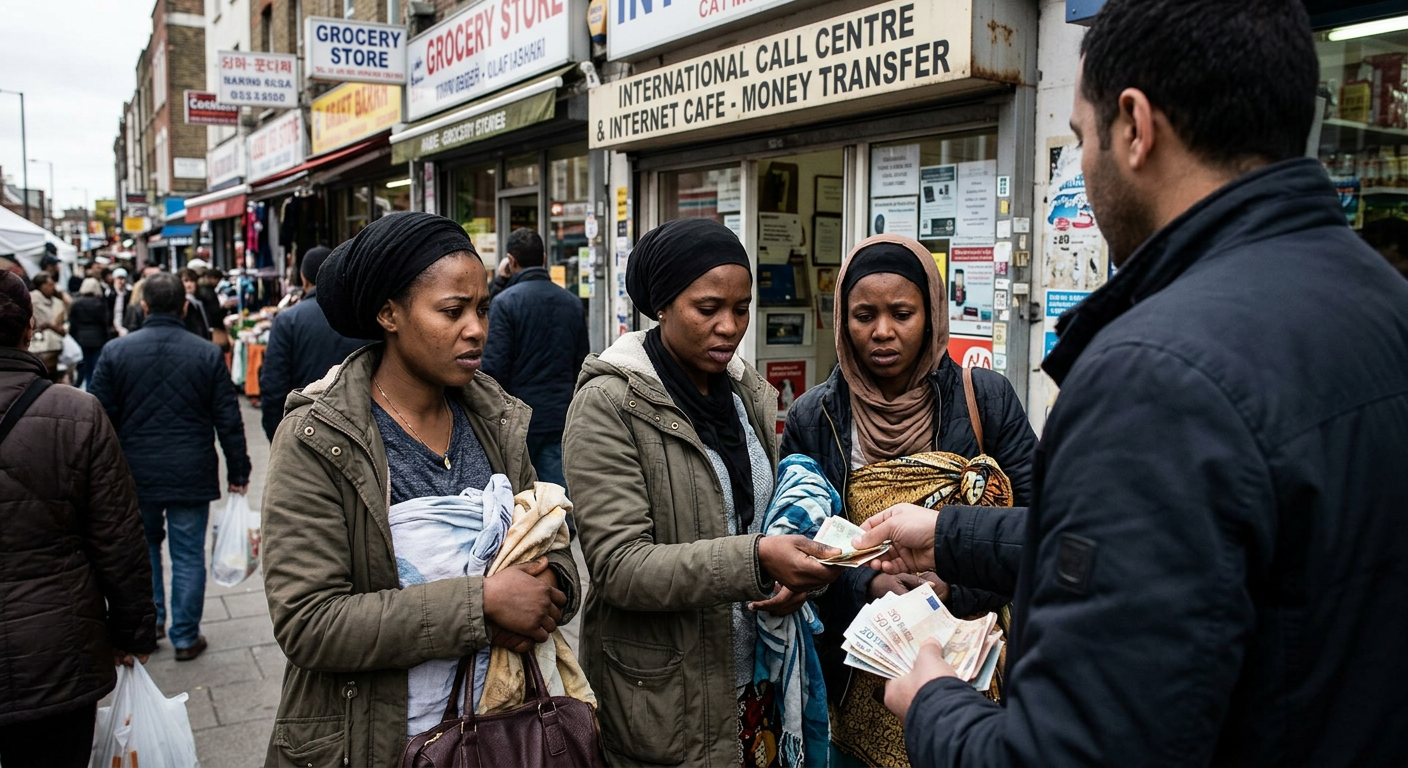
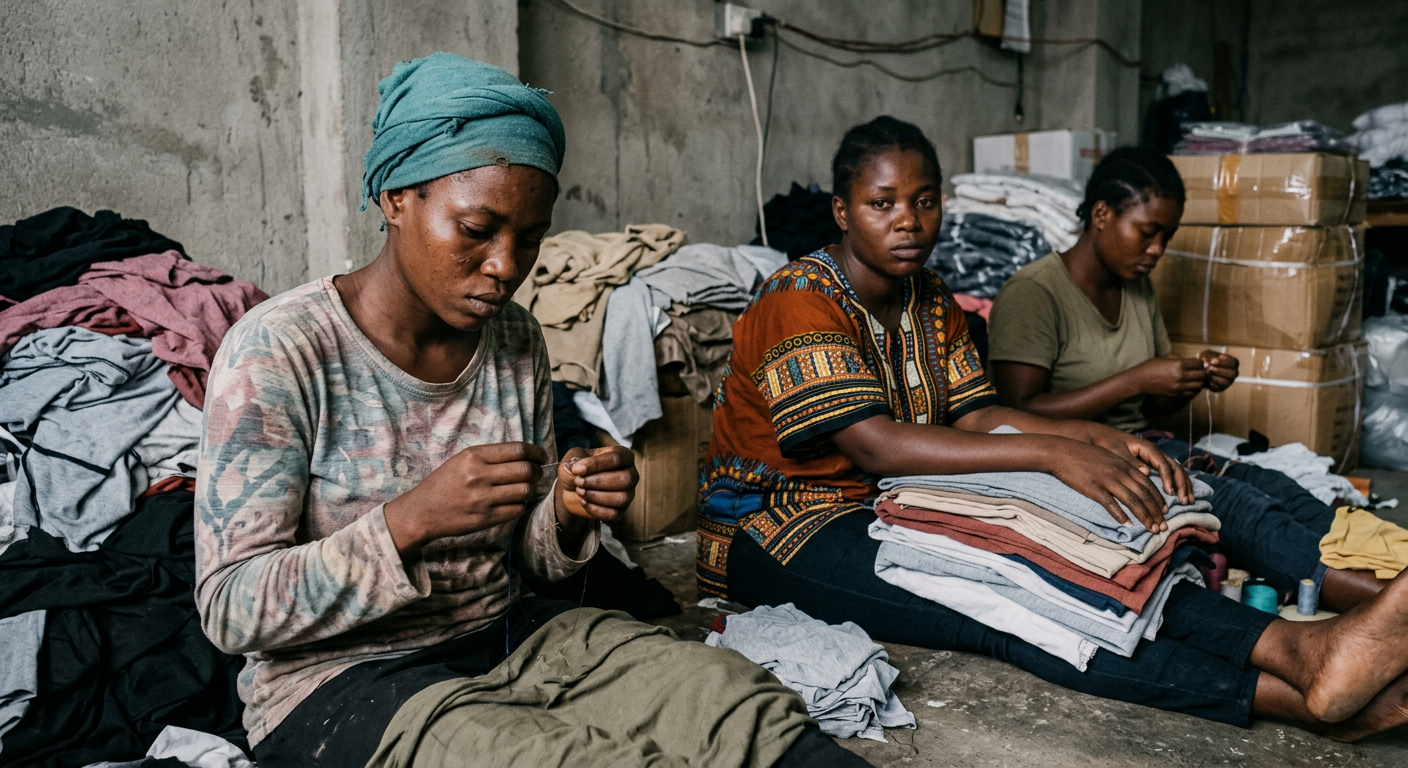
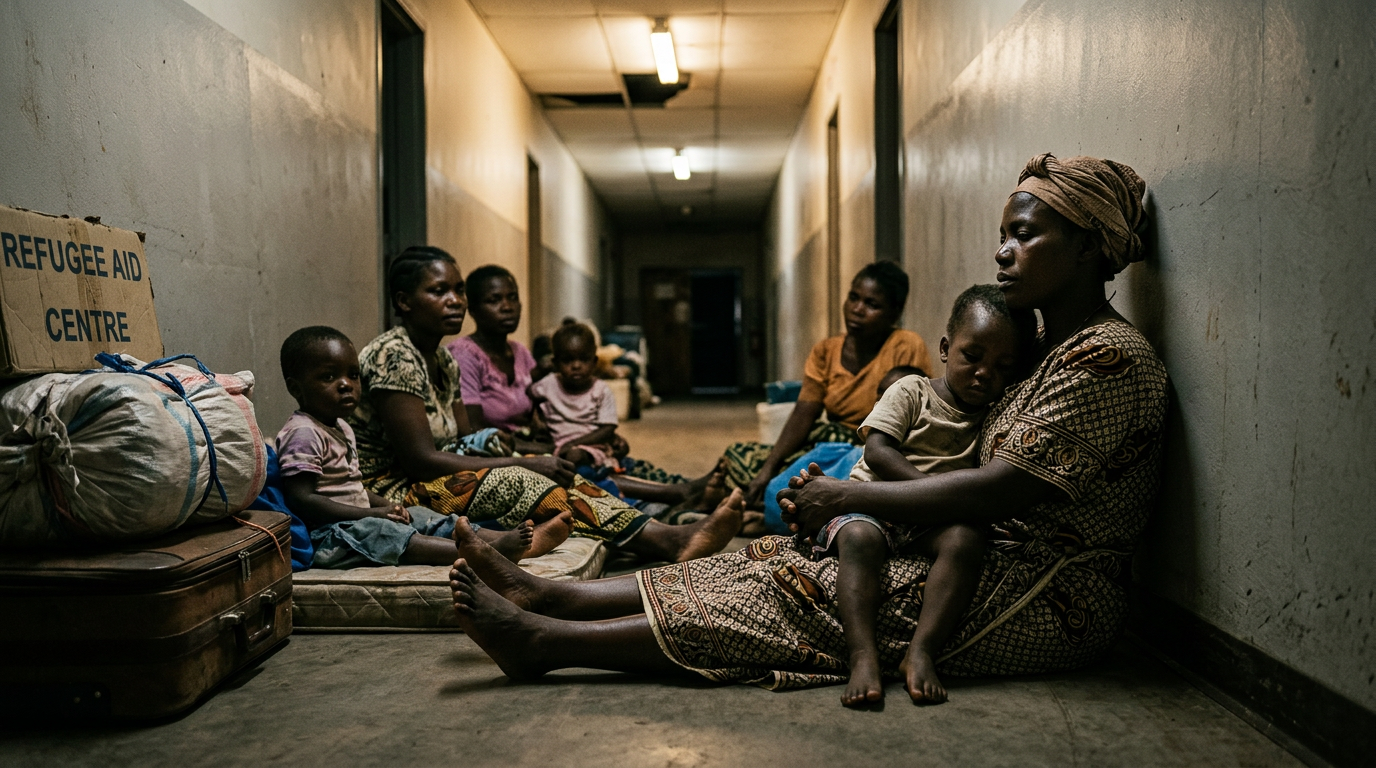
Ai generated image
Exploitation has no place in a system built on care. From abusive recruitment practices to hidden risks in supply chains, modern slavery in healthcare is a crisis that demands urgent action.
“A healthcare system built on care cannot be sustained by exploitation.”
Why this matters
Modern slavery in healthcare harms workers, weakens patient care, and undermines trust in public institutions. It is not only a labour issue. It is a healthcare issue, a human rights issue, and a public accountability issue.
Healthcare should stand for safety, dignity, and compassion. Yet for too many workers, the reality is exploitation, fear, and silence. Modern slavery in healthcare is not just a handful of shocking cases. It can be built into recruitment, outsourcing, and supply chains, allowing abuse to continue in plain sight. That is why this is not a side issue. It is a human rights crisis. If we want a healthcare system worthy of trust, we must expose the structures that make this abuse possible and demand change now.
How Does Exploitation Become Normal?
Modern slavery in healthcare does not happen by accident. It grows when harmful practices become normal and unchallenged. Staff shortages, cost-cutting, outsourcing, and dependence on temporary or migrant labour can all create the conditions in which abuse thrives. In these settings, warning signs such as illegal recruitment fees, withheld wages, passport confiscation, intimidation, and threats linked to immigration status may be ignored in the rush to keep services running. But no service can call itself compassionate if it relies on exploitation. This is a system failing the very people it depends on.
The Problem Hidden in Supply Chains
Behind every glove, uniform, surgical instrument, and medical device is a supply chain that should reflect the values of care and dignity. Too often, it does not. Healthcare depends on vast global supply chains, and that scale makes exploitation easy to hide. A recent UK government review of NHS supply chains examined 1,361 suppliers and around 600,000 products, showing how hard it is to trace labour conditions across multiple layers of production. The review identified risks of forced labour and child labour in health and social care supply chains, especially where goods are sourced across borders and protections are weak. Patients should never have to wonder whether the care they receive is linked to abuse.
Workers at Risk in Care and Health Services
In the UK, some of the clearest warnings have emerged in adult social care and related health services, where migrant workers are often left dangerously exposed. Charities, regulators, and researchers have documented workers being charged illegal recruitment fees, pushed into debt, housed in poor conditions, underpaid, forced to work excessive hours, or threatened with dismissal and visa consequences if they speak out. These are not isolated stories. They are signs of a system willing to rely on vulnerable labour while failing to protect it. When a person’s job, housing, and immigration status are all tied to one employer, the risk of exploitation rises fast. No one who cares for others should be trapped in fear just to survive.
Why This Should Matter to Everyone
This crisis is not only about workers’ rights. It is about the kind of healthcare system we want to defend. Workers living in fear are less able to raise concerns, challenge unsafe practice, or provide consistent care. High turnover, burnout, and coercion weaken services that are already stretched. There is also a deeper moral question: how can a sector built on healing and dignity tolerate exploitation in the systems that make care possible? Public trust depends on whether institutions live up to the values they claim to uphold. When abuse is tolerated behind the scenes, everyone pays the price.
What Needs to Change Now
So what would real change look like? It starts with action from hospitals, care providers, suppliers, regulators, and government. If we are serious about protecting workers and rebuilding trust, the following steps are essential:
- · Stronger due diligence in procurement, including scrutiny beyond first-tier suppliers.
- · Transparent recruitment practices that prevent workers from paying for jobs.
- · Safe reporting routes for staff and independent audits to identify abuse early.
- · Clear consequences for employers or suppliers that profit from coercion.
- · Training for managers to distinguish poor employment practice from indicators of forced labour.
- · Recognition by procurement teams that labour exploitation is a patient-safety and governance issue, not merely a compliance concern.
- · At national level, tighter regulation, better data-sharing, and stronger enforcement to reduce reliance on exploitative labour models.
Modern slavery in healthcare is not inevitable, and it must never be accepted as the price of delivering care. The sector cannot claim to protect dignity while ignoring the exploitation of the workers and communities it depends on. Real change means exposing abuse, strengthening safeguards, and refusing to separate patient care from workers’ rights. Healthcare should be built on compassion at every level, from the bedside to the supply chain. The time to act is now.