Black History Month: Empowering Black Women Means Confronting Inequality
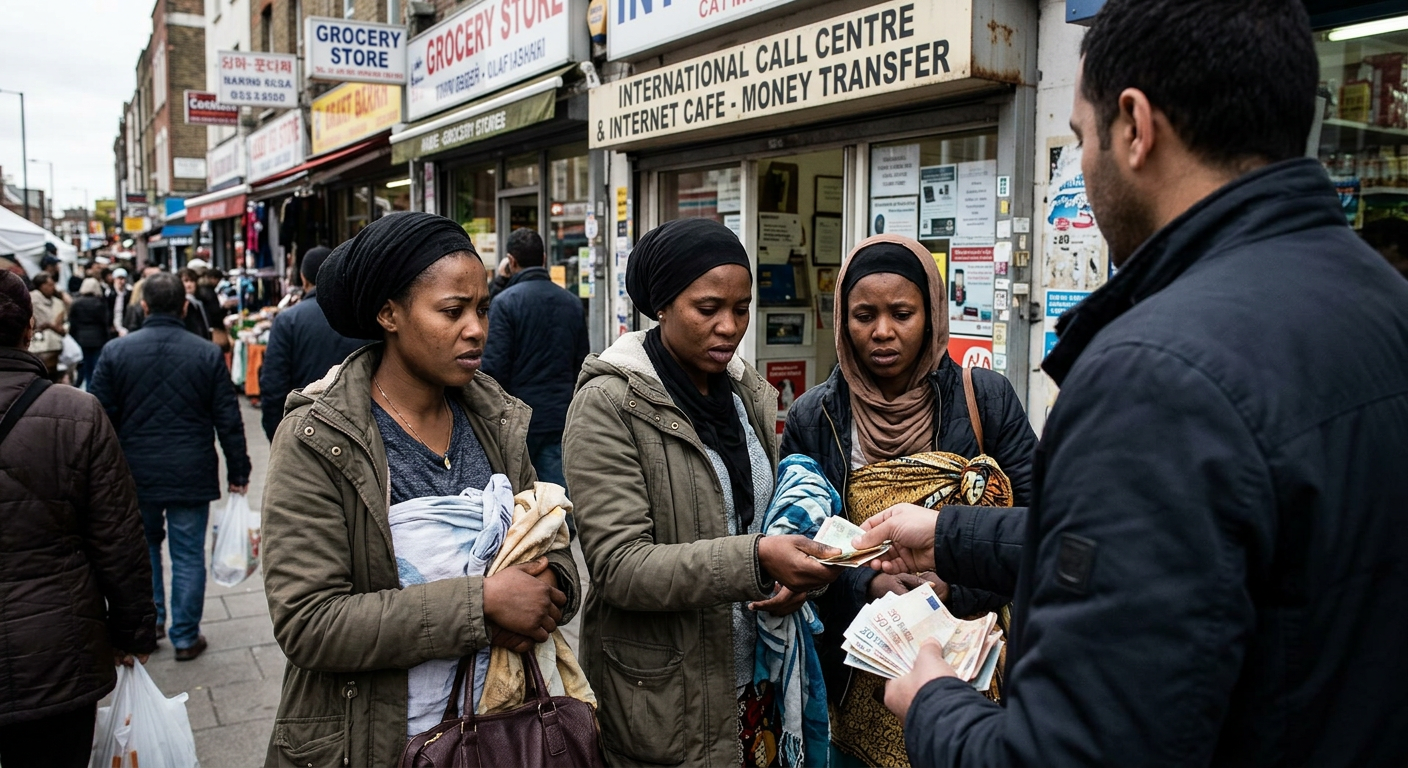
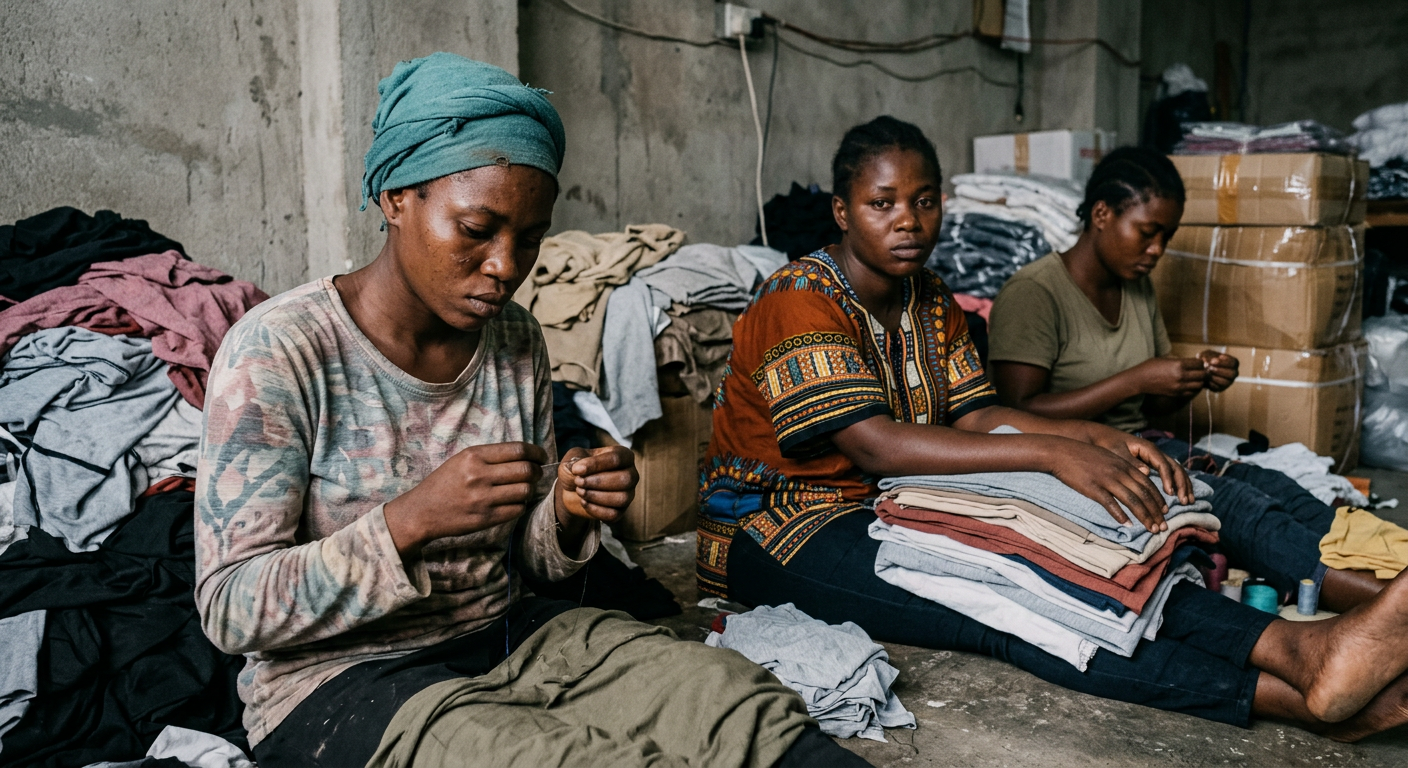
Ai generated image
Celebration must be matched by meaningful action.
Black History Month is a time to recognise the achievements, resilience, and influence of Black people across the United Kingdom. It is also an opportunity to ask an important question: what must change so that Black women can thrive, lead and receive fair recognition throughout the year?
For Black women, empowerment is not only about celebrating inspiring individuals. It is also about removing the barriers that continue to affect earnings, career progression, wellbeing, and access to decision-making.
Pay Inequality Is an Empowerment Issue
Unequal pay can limit financial security, career choices, and long-term opportunities. Yet headline figures alone do not tell the whole story. Pay outcomes may be shaped by occupation, seniority, working patterns, and location, as well as unequal access to recruitment, progression, and reward. Any discussion of the pay gap should therefore use current, reliable evidence and examine the systems behind the numbers.
Black women may experience racism and sexism at the same time. This intersection can affect whose potential is recognised, who receives sponsorship, whose contribution is rewarded and who feels able to challenge unfair treatment.
Institutional Racism Must Be Addressed
Institutional racism is not limited to overt prejudice. It can also appear through policies, routines and workplace cultures that repeatedly disadvantage Black employees, even when discrimination is not openly stated. Recruitment criteria, informal networks, performance assessments, disciplinary processes, and promotion decisions all deserve careful scrutiny.
Organisations must move beyond statements of solidarity. Leaders should examine outcomes, listen to Black women without placing the burden of reform on them, and take responsibility when patterns of inequality emerge.
From Celebration to Sustainable Change
Meaningful empowerment requires practical and measurable action. Employers and public institutions can:
· publish pay data in a transparent and responsible way, including analysis by ethnicity and gender where appropriate.
· use clear salary bands and consistent criteria for recruitment, appraisal, and promotion.
· review who receives high-profile assignments, training, mentoring, and sponsorship.
· strengthen confidential reporting routes and respond consistently to discrimination.
· include Black women in decisions, while recognising and compensating their expertise; and
· set accountable goals, report progress, and explain where improvement has stalled.
Empowerment also means valuing the diversity of Black women’s experiences. Black women are not a single, uniform group. Differences in heritage, age, disability, class, faith, sexuality, migration history, and caring responsibilities can shape both opportunity and disadvantage.
A Commitment Beyond October
Black History Month should celebrate the women who have opened doors, built communities, and transformed British life. But celebration without structural change is incomplete. Real progress will be visible when Black women receive equal pay for work of equal value, fair access to opportunity, respect in the workplace and genuine influence over the decisions that affect them.
The challenge is not simply to admire Black women’s resilience. It is to help create institutions in which resilience is not constantly demanded for survival. That requires honest reflection, measurable action, and sustained accountability—not for one month, but throughout the year.